U.S. CFTC Considers 24/7 Trading Model as Crypto Oversight Gains Traction in Washington
As the crypto sector continues to reshape financial markets, the U.S. Commodity Futures Trading Commission (CFTC) is taking a bold step: weighing the possibility of 24/7 derivatives trading. The initiative, while driven by evolving technological infrastructure and global demand, may also lay the groundwork for broader crypto regulation, signaling the CFTC’s readiness to adapt to a world where markets never sleep.
With Bitcoin already under its jurisdiction as a commodity, the CFTC is increasingly positioned to play a pivotal role in crypto market oversight, particularly as Congress deliberates legislation to formalize that authority. Now, by inviting public comment on extending trading hours beyond traditional U.S. market norms, the agency is hinting at a future-proof regulatory model tailored for the digital asset era.
CFTC Explores the Future: Around-the-Clock Markets May Soon Become the Norm
Public Input Sought on Continuous Derivatives Trading
On Monday, the CFTC issued a request for public comments on whether derivatives markets should move to around-the-clock trading, a model already embraced by Bitcoin and other digital assets. While the document does not focus specifically on crypto oversight, its implications for the sector are profound.
“Technological advancements and market demand” are nudging regulated entities toward continuous trading infrastructure, the agency noted, acknowledging the crypto industry’s longstanding standard of 24/7 availability.
This inquiry could be a precursor to full regulatory integration of crypto trading under the CFTC’s umbrella, especially if Congress grants the agency explicit authority over spot markets for non-security digital assets like Bitcoin.
Bitcoin’s Regulatory Status Gives CFTC the Edge
Courts and Agencies Agree—Bitcoin Is a Commodity
Bitcoin’s legal classification as a commodity, rather than a security, means it already falls under the CFTC’s purview. This regulatory status has been consistently reaffirmed by courts and U.S. regulators, positioning the CFTC as the most natural watchdog for much of the digital asset market—especially derivatives and futures tied to cryptocurrencies.
If the CFTC is ultimately tasked with overseeing crypto exchanges and infrastructure, the agency will need to modernize operational models to match the always-on nature of blockchain markets. The push for continuous trading appears to be the first strategic move in that direction.
Leadership Signals Proactive Stance on Market Innovation
Acting Chair Caroline Pham Pushes Future-Ready Market Structures
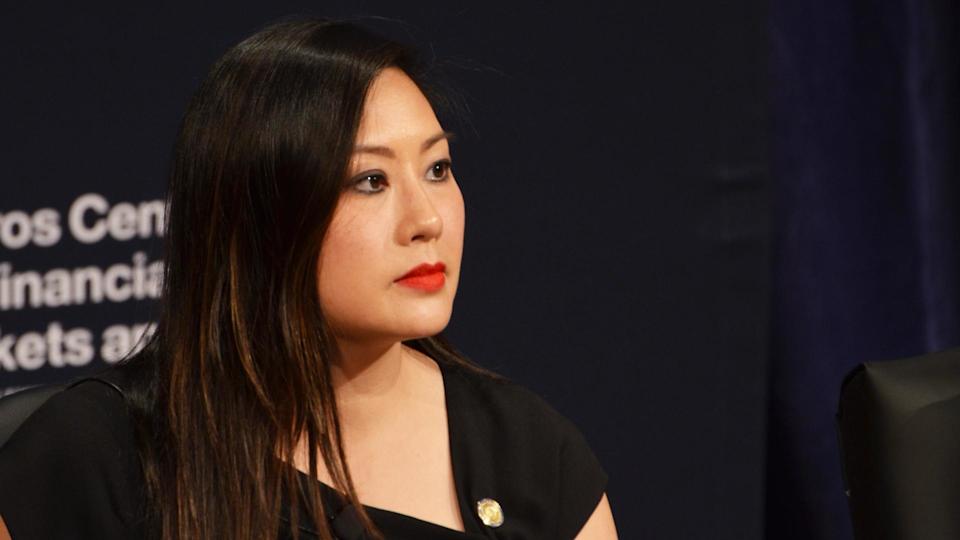
Acting CFTC Chairman Caroline Pham, appointed by President Trump, emphasized the importance of staying ahead of financial innovation. In her words:
“The CFTC must take a forward-looking approach to shifts in market structure to ensure our markets remain vibrant and resilient while protecting all participants.”
Her statement reflects a broader desire within the agency to modernize governance frameworks, support technological adoption, and ensure regulatory readiness for emerging market behaviors.
Though still awaiting Senate confirmation of official chairman nominee Brian Quintenz, the CFTC under Pham is already demonstrating a willingness to reshape U.S. market mechanics in response to crypto-driven trends.
Operational and Compliance Challenges Loom
24/7 Markets Require New Staffing and Governance Models
Moving to continuous trading is not without complications. The CFTC’s request outlines a range of operational concerns, from the need for live system maintenance and round-the-clock human oversight, to concerns about exchange governance, resilience, and compliance under a 24/7 framework.
Legacy financial systems are not currently optimized for this kind of real-time, nonstop functionality. However, crypto-native firms have already proven that these models are viable—with exchanges like Coinbase, Binance, and Kraken offering uninterrupted services to global clients for years.
To bridge that gap, the CFTC must consider how traditional players will need to restructure internal operations, potentially creating new compliance, cybersecurity, and staffing standards to manage extended hours.
Crypto Regulation in Congress: The CFTC’s Role Could Expand
Waiting for Statutory Authority on Spot Market Oversight
While the CFTC has clear authority over crypto derivatives, its ability to regulate the spot markets—where cryptocurrencies are bought and sold directly—remains limited without congressional action. Lawmakers are still debating how to divvy up oversight responsibilities between the CFTC and the Securities and Exchange Commission (SEC).
The expectation among many in the industry is that the CFTC will become the primary crypto regulator, especially for assets like Bitcoin and Ethereum that don’t meet the Howey Test for securities classification.
If that happens, the agency would be thrust into the center of the world’s first 24/7 regulated financial market—a monumental shift from Wall Street’s century-old norms.
Strategic Implications for Firms and Market Infrastructure
Preparing for the Era of Always-On Regulation
Firms operating under CFTC jurisdiction should begin preparing for the operational implications of continuous trading. This includes investments in:
-
Automated monitoring and compliance systems
-
Redundant staffing schedules to ensure real-time issue resolution
-
Cloud-based infrastructure capable of seamless updates without downtime
-
Global coverage models to meet rising demand from non-U.S. participants
The move toward 24/7 derivatives trading isn’t just a regulatory experiment—it’s a strategic inevitability. As digital assets blur the lines between traditional finance and DeFi, firms that adapt early will be best positioned to lead in the next financial era.
The CFTC’s Evolution Could Reshape U.S. Finance
The CFTC’s exploration of round-the-clock trading is more than a procedural step—it’s a signal to the markets that the agency is ready to embrace crypto-native norms. Whether or not Congress hands the CFTC full authority over digital asset markets, its proactive stance is already helping shape the future of U.S. financial regulation.
As crypto-native behaviors infiltrate legacy systems, we’re approaching a historic convergence—where derivatives, commodities, and digital assets operate in a shared, 24/7, global environment.
Disclaimer: The above press release has been provided by a third party. We do not verify or endorse the content and will not be responsible for any inaccuracies, claims, or damages arising from the same.