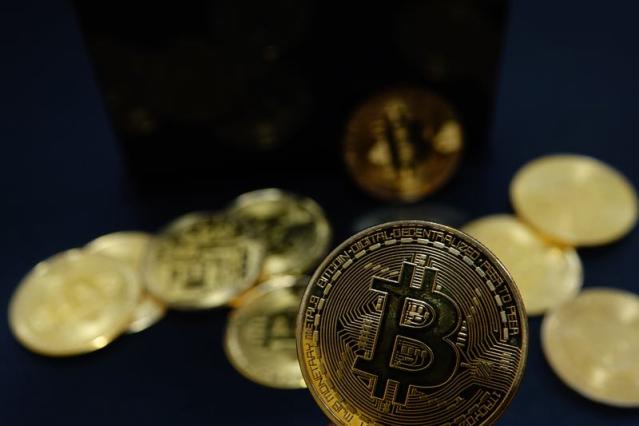
Cryptocurrencies are no longer just the domain of tech enthusiasts and investors. With their rise in popularity, they have begun to significantly impact everyday transactions, including online shopping. From purchasing luxury goods to booking flights, cryptocurrencies like Bitcoin, Ethereum, and Dogecoin are transforming how consumers engage with e-commerce platforms. As global adoption increases, more and more companies are integrating cryptocurrencies as viable payment options. Let’s explore how cryptocurrency could change the way we shop online, offering new opportunities and convenience for both consumers and businesses.
1. Luxury Goods: A New Era of Shopping with Crypto
The luxury goods market has always been associated with exclusivity, but now cryptocurrency is helping bring it to the digital age. Platforms like the world’s first crypto-only luxury marketplace, are leading the charge in integrating cryptocurrencies into high-end retail. Now, enthusiasts and collectors can purchase luxury watches, bags, and other high-end accessories from iconic brands such as Rolex, Chanel, and Hermès using Bitcoin and other cryptocurrencies.
The advantage for both consumers and businesses is clear. Buyers can bypass traditional banking systems, ensuring faster and often more secure transactions. For luxury retailers, offering cryptocurrency payment options opens up their products to a global audience, including those in countries where access to traditional banking may be limited.
2. Movie Tickets: Blockchain Entertainment
Imagine going to the movies and buying your tickets with crypto. For many consumers, this is already a reality. AMC Theaters, a major player in the entertainment industry, began accepting Bitcoin, Ethereum, and other popular cryptocurrencies like Dogecoin, Litecoin, and Shiba Inu as payment for tickets, food, and drinks back in 2021.
AMC’s move is a reflection of the growing recognition of cryptocurrencies as legitimate payment options in mainstream entertainment. The move also makes sense from a business perspective, as it taps into the growing base of crypto holders who want to spend their digital assets in everyday purchases, no longer just investing or trading them. This integration allows cryptocurrency users to access the same convenience as those using traditional payment methods, opening new avenues for customer engagement.
3. E-Commerce Retailers: Shopping in the Digital Age
Global e-commerce platforms have jumped on the cryptocurrency bandwagon, embracing blockchain payments as a way to appeal to a tech-savvy customer base. Retail giants like Newegg, an online retailer known for electronics, and Rakuten, one of Japan’s largest e-commerce platforms, now accept Bitcoin and other digital currencies as a form of payment.
Moreover, major platforms like Shopify have integrated cryptocurrency payment options, enabling merchants to accept digital currencies directly on their stores. By offering crypto payments, these e-commerce companies not only broaden their customer base but also attract a demographic that is enthusiastic about the decentralized nature of digital currencies.
For customers, the ability to use cryptocurrencies as a payment method brings convenience, greater security, and even potential rewards in some cases. E-commerce businesses are now able to tap into a fast-growing payment ecosystem, which could help them stay competitive in the evolving digital landscape.
4. Booking Travel: Fly with Crypto
Booking a flight or a vacation package with cryptocurrency is becoming an increasingly popular option for travelers. CheapAir, the first travel site to accept Bitcoin back in 2013, paved the way for other travel companies. Today, travelers can use Bitcoin, Ethereum, Bitcoin Cash, Dai, and even Dogecoin to book flights, hotels, and rental cars on platforms like Alternatives Airlines.
The advantages of paying for travel with cryptocurrency are clear—transactions are faster, fees are lower, and for some travelers, it’s easier to convert crypto into a form of payment than dealing with traditional banking processes. By embracing crypto payments, travel companies can cater to international travelers who prefer the ease and security of digital currency.
The future of travel could be dominated by cryptocurrencies, especially as the younger, tech-forward generation becomes more accustomed to using digital wallets for everyday transactions. Airlines and booking sites that integrate crypto payments early stand to capture the attention of this growing market segment.
5. Mobile Bill Payments: A Convenient and Secure Option
Utility bills, mobile bills, and other subscription services can now be paid with cryptocurrency. AT&T, one of the largest U.S. mobile carriers, made headlines by becoming the first major telecom company to accept cryptocurrency payments. Through BitPay, a cryptocurrency payment service, AT&T customers can use Bitcoin, Ethereum, and other digital currencies to pay their bills online.
This innovation allows customers to utilize their crypto holdings without needing to convert them into fiat currency first. AT&T’s partnership with Bitrefill, which also enables customers to top up their AT&T Prepaid Plans using Bitcoin, Ether, and other cryptocurrencies, further reinforces the company’s commitment to embracing new technologies. This option not only streamlines payment processes but also increases access to financial services for those in regions where traditional banking infrastructure may be limited or unreliable.
Conclusion: The Future of Cryptocurrency in Online Shopping
As the use of cryptocurrencies continues to expand, it’s clear that they are poised to revolutionize online shopping in multiple ways. From luxury goods and movie tickets to e-commerce and travel bookings, cryptocurrencies are steadily gaining acceptance as legitimate, convenient, and secure methods of payment. This trend is likely to grow, especially as more businesses and platforms recognize the advantages of integrating digital currencies into their ecosystems.
For consumers, cryptocurrencies offer an opportunity to move beyond traditional banking systems, while also benefiting from faster transactions, lower fees, and greater privacy. On the business side, accepting cryptocurrencies as payment can unlock new customer segments, improve operational efficiencies, and create new revenue streams.
As blockchain technology becomes more mainstream, and cryptocurrencies like Bitcoin, Ethereum, and Dogecoin become increasingly normalized in the digital payments ecosystem, we may soon see a future where paying for goods and services with crypto is just as common as using credit cards or digital wallets.
Disclaimer: The above press release has been provided by a third party. We do not verify or endorse the content and will not be responsible for any inaccuracies, claims, or damages arising from the same.